● 36 participants will be divided equally into two age groups: 9 to 12 years and 13 to 15
years, 18 ambassadors from each age group.
● The programme will include students with disabilities to ensure equal opportunities and
active participation.
● Selected ambassadors will undergo a comprehensive training programme focusing on
key issues related to child safety and protection.
● The training programme is scheduled to begin in January 2027.
For immediate release,
Sharjah, November 26, 2026,
The Child Safety Organisation (CSO) has announced the launch of the “Nabaha” initiative, a
three-year leadership and awareness programme that will select and train 36 students as
ambassadors to promote child protection and safety among their peers, within their schools and
across their communities. The initiative is being implemented in partnership with the Sharjah
Private Education Authority and Sharjah City for Humanitarian Services. Nominations are now
open to students attending private schools across the Emirate of Sharjah.
The initiative aims to empower children and adolescents to play an active role in child protection
by equipping them with the knowledge, practical skills and media skills needed to become
informed voices on child safety issues, positively influence their peers’ behaviour and contribute
to safer, more supportive school environments.
CSO will select 36 ambassadors, divided equally between two age groups: 9 to 12 years (18
child ambassadors) and 13 to 15 years (18 adolescent ambassadors). Including adolescents
allows the programme to draw on their ability to promote awareness before they enter
university, helping to embed a culture of prevention and shared responsibility among students at
every stage of their education.
The programme will include students with disabilities, taking individual differences into account
when designing training pathways and learning methods to ensure equal opportunities and
active participation.
Selected ambassadors will undergo comprehensive training covering key child safety issues,
including digital safety and online risks, bullying, forms of abuse and how to report them, as well
as road safety and the safe use of roads.
Beyond theoretical awareness, the programme will equip participants with practical skills to
develop and deliver visual and interactive awareness content, and to design workshops, school
activities and awareness campaigns that they lead themselves. These activities will strengthen
a culture of prevention and shared responsibility within and beyond schools.
Safety as a shared value
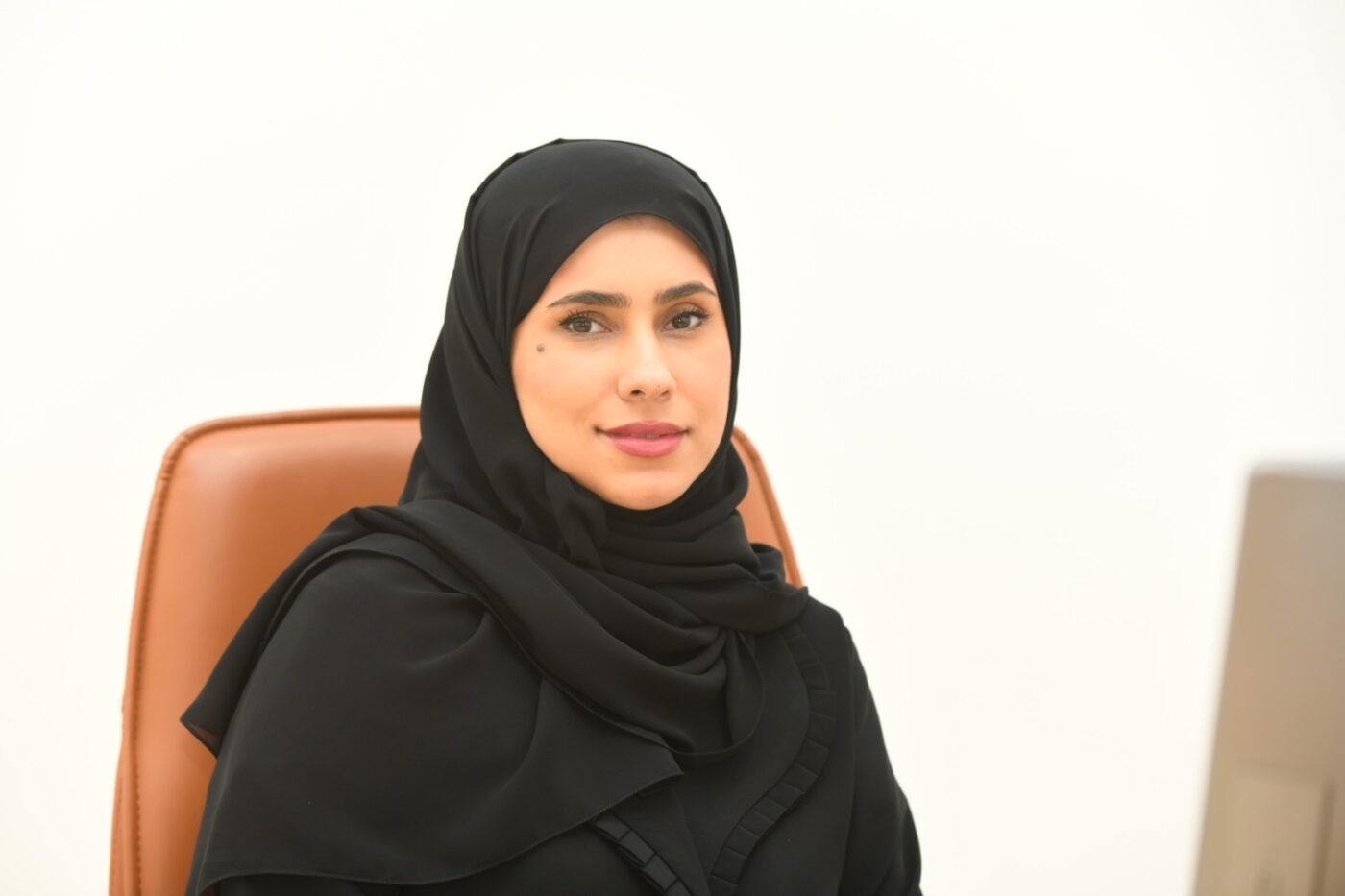
Commenting on the initiative, H.E. Dr. Hanadi Al Yafei, Director General of the Child Safety
Organisation, said: “We believe that empowering children goes beyond protecting them; it also
means giving them the confidence and space to be part of the solution. When we give children a
voice that is heard and a meaningful role in raising awareness, we strengthen their sense of
responsibility and their ability to positively influence those around them. Protection messages
have a greater impact when children and young people communicate them to their peers, as
their communication is characterised by trust and closeness. This creates greater opportunities
for understanding and makes these messages more relevant to their daily lives.”
Student eligibility requirements
Thureya Al Marzouqi, Head of Initiatives at the Child Safety Organisation, said: “The
initiative offers parents an opportunity to involve their children in an experience that develops
their skills and gives them an active role in promoting safety awareness among their peers. It
welcomes students who are UAE nationals or residents with good conduct, strong public
speaking and communication skills in both Arabic and English, and the ability to develop
educational content suitable for the targeted age groups or deliver approved materials.”
She added: “Participation requires a commitment throughout the programme’s three-year
duration, during which ambassadors will deliver a set number of awareness workshops in
schools and community festivals through 2029. We look forward to attracting students to the
programme, encouraging a spirit of competition among ambassadors in delivering awareness
content to their peers, expanding the number of participating schools and increasing the
programme’s capacity to accommodate more ambassadors.”
How students can become protection ambassadors
CSO explained that the nomination process begins with an application submitted through an
online form circulated by the Sharjah Private Education Authority to the targeted schools during
the pilot phase. A specialised committee will then review and screen applications, followed by
an internal evaluation of candidates using an approved assessment model to select students
capable of representing the initiative and achieving its objectives within schools and the wider
community.
The “Nabaha” initiative forms part of CSO’s ongoing efforts to strengthen an integrated child
protection system through partnerships with educational institutions and by empowering children
themselves to become ambassadors for awareness and safety in their communities.