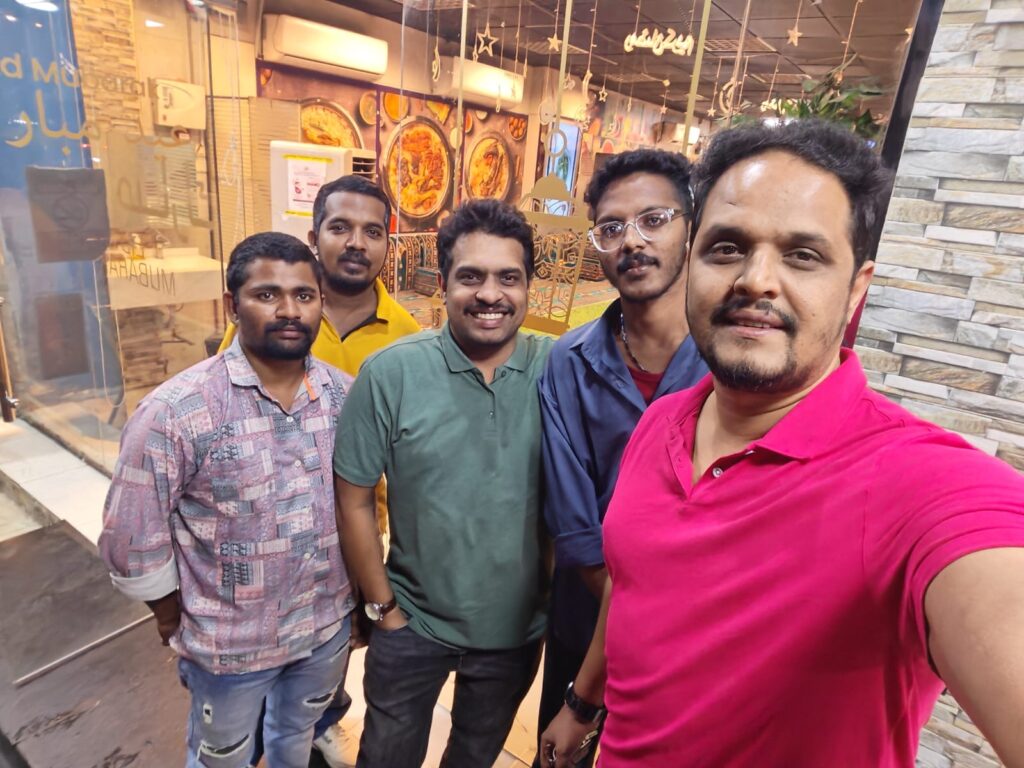
In a compassionate and timely intervention, members of the SATA Saudi Arabia Telugu Association extended their support to rescue and safely repatriate Telugu youths who had unknowingly fallen into distress. Misled by middlemen posing as professionals, four young men had travelled abroad with hopes of a better future, only to find themselves stranded in unfamiliar and difficult circumstances. After enduring nearly four months of hardship, their ordeal finally came to an end through the dedicated efforts of the SATA, enabling them to return home safely.
With dreams of a better life and hope in their hearts, four young men from Kashimkota Mandal in Anakapalle district near Visakhapatnam set out for Saudi Arabia a few months ago, aspiring to work as fitters in a reputed company. However, lacking the required experience, they found themselves caught in a difficult situation even before their journey truly began.
In order to secure the opportunity, they were expected to clear an interview and skill test in Visakhapatnam. Misguided by an agent, they took shortcut and were made to appear qualified, eventually reaching Dammam with fragile hopes built on uncertain ground. But reality soon unfolded. Upon arrival, the company conducted its own assessment, and all four failed to meet the required standards. Moved by their situation, the company showed compassion and offered them a chance to work instead as labourers—an option far removed from the dreams they had carried, yet a lifeline in a moment of distress.
In desperation, they reached out to Telugu associations; though their story was incomplete, their distress was clear. Moved by their plight, Ranjith, Khalid Saifullah and Ramireddy in Dammam stepped in swiftly, and with the Indian Embassy’s support, arranged Exit visa and sent them to Riyadh to facilitate their return home.
At this critical juncture, members of the Telugu diaspora association SATA Muzammil Sheikh, Ranjith Chittuluri, Anandaraju, and Chandrakant Mangalarapu demonstrated a strong sense of social responsibility. Recognizing the seriousness of the situation, they acted with patience and commitment, coordinating with Saudi authorities to resolve the visa complications. Their timely intervention ensured that the youths were safely placed on a flight back home, reaffirming the vital role of community support in times of distress.
In conclusion, SATA social workers in Saudi Arabia have issued a sincere word of caution: only those with the right qualifications and genuine opportunities should seek employment abroad. Trusting intermediaries and taking improper routes can lead to serious hardship and uncertainty. Let this serve as a reminder to verify every opportunity carefully and choose the right path before stepping into a foreign land.
M Siraj
About The Author